


Before you build
Understand who it's for, what they need, and which problems are actually worth solving before you commit to a direction.
- Discovery
- User interviews
- Surveys & analytics

UX research replaces assumptions with evidence — helping you understand your users, uncover problems and make better decisions before you invest in design and development.
Start a Research Project Book a 30-Min Call5+ years
Experience
50+
User interviews
50+
User tests
£5M+
Client profits
UX research is useful when the cost of guessing is high — before a redesign, a development sprint, or another round of opinions about what users need.
We help you replace internal opinions with evidence from real users.
We identify where people get stuck, what causes friction and what needs attention.
Validate important ideas before committing significant time and development budget.
Understand what's wrong with the current experience before redesigning it.
Bring in focused research expertise without having to build a research capability in-house.

Research isn't one process. The methods change depending on whether you're starting something new, validating an idea, building, or improving an experience that already exists.
Understand who it's for, what they need, and which problems are actually worth solving before you commit to a direction.
Test whether a concept, flow or prototype makes sense to people — and what would stop them moving forward.
Catch friction early so you aren't polishing the wrong thing. Findings can feed straight into UX, UI and development.
Find why people stall, what they don't trust, and which changes would make the biggest difference on a site or product that already exists.
From discovery to handoff — a structured approach to gathering insights and turning them into clear, actionable recommendations.
Define the questions, users and decisions the research needs to answer.
Choose the right methods, participants and research scope.
Conduct interviews, testing, audits or analysis depending on the project.
Turn evidence into clear findings, priorities and actions.
Present the findings and show how they can inform design, product or business decisions.
Good research should change a decision. See how research, insight and UX thinking have been applied across our projects.





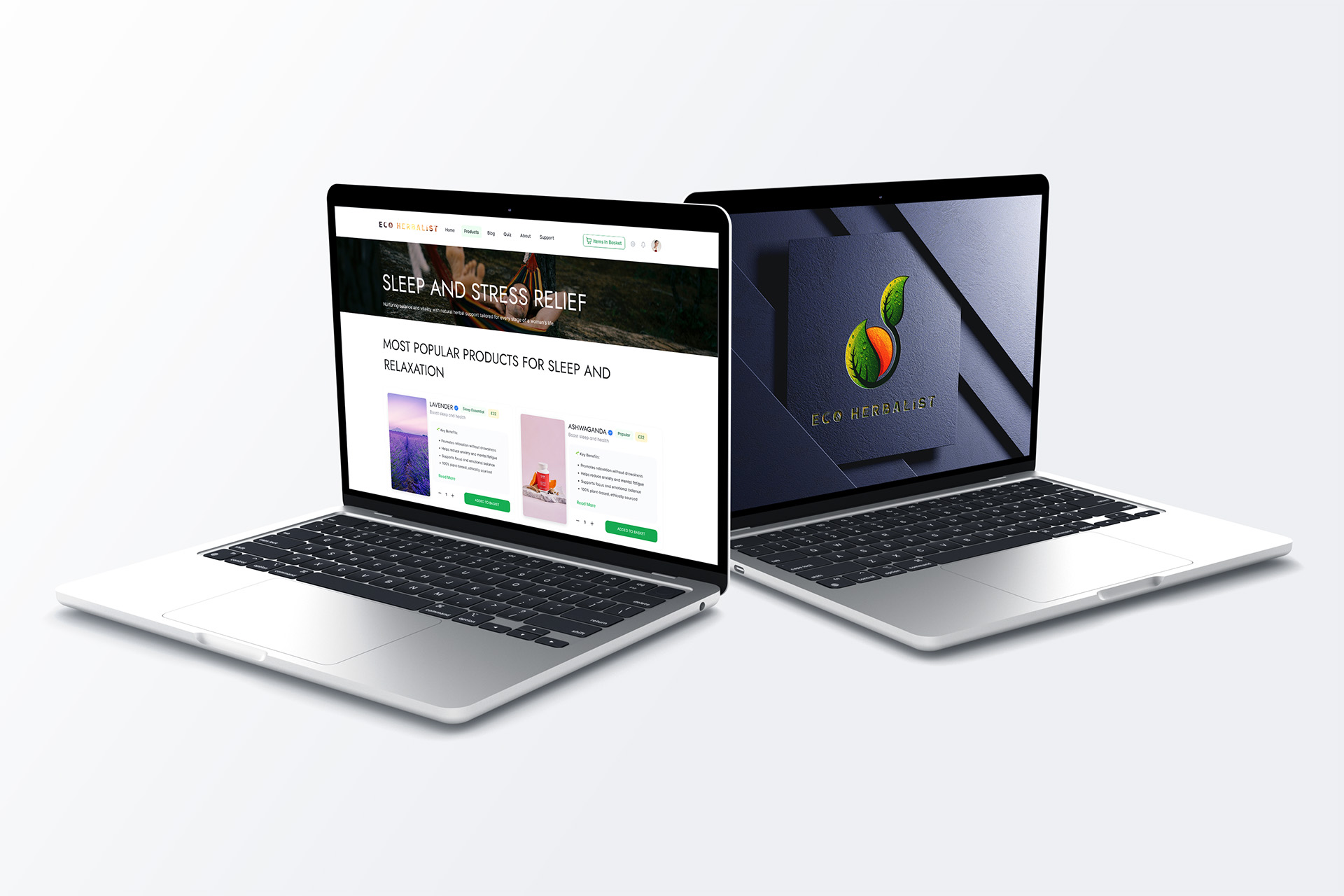
Browse the projects where research, insight and UX thinking informed the work.
Research is scoped around your users, goals and project complexity.
Not sure which option fits? Tell us what you're trying to understand — we'll recommend the level of research that makes sense.
Because UX UI MATE also designs and builds, research findings can directly inform UX, UI, prototypes and development. Your insights don't have to be handed to another team and translated from scratch.
UX research reveals how people actually interact with your product - what they understand, where they hesitate, and what causes friction. When design decisions are based on real behaviour instead of assumptions, you reduce rework and achieve more predictable outcomes.
It depends on the project. A straightforward business website may only need a focused discovery process, while a more complex website, ecommerce experience or digital product may benefit from deeper research. We'll recommend an approach based on the actual problem rather than adding research for the sake of it.
We choose methods based on your goals, users, timeline and what we already know. A project may need interviews, usability testing, an audit, analytics or a combination of methods. We recommend the approach that answers the questions that matter most.
Depending on the project, you may receive research findings, user needs and pain points, journey maps, usability findings, opportunity areas, prioritised recommendations and a clear set of next steps.
Timelines depend on depth: quick audit 1-2 weeks, focused research 2-4 weeks, full discovery 4-8 weeks. We share insights as we uncover them, so you gain clarity early rather than waiting until the end.
Yes. Remote research is efficient, reliable, and allows us to reach a broader audience. It enables natural behaviour, faster scheduling, and full session recordings.
Tell us what you're trying to understand. We'll help you work out whether research is the right next step — and what level of research makes sense.


